

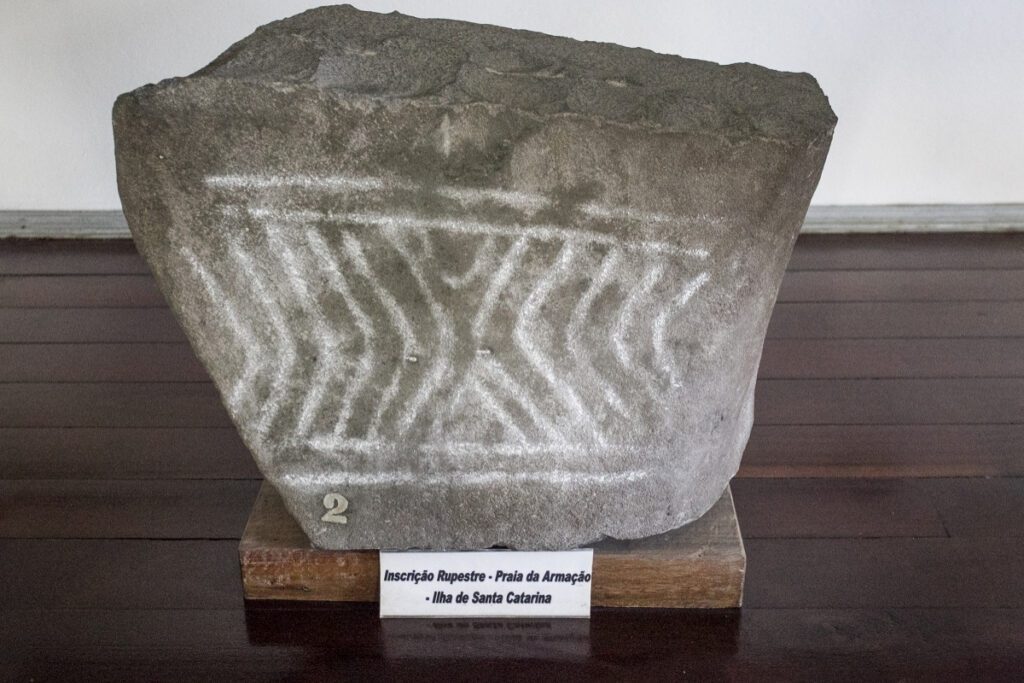
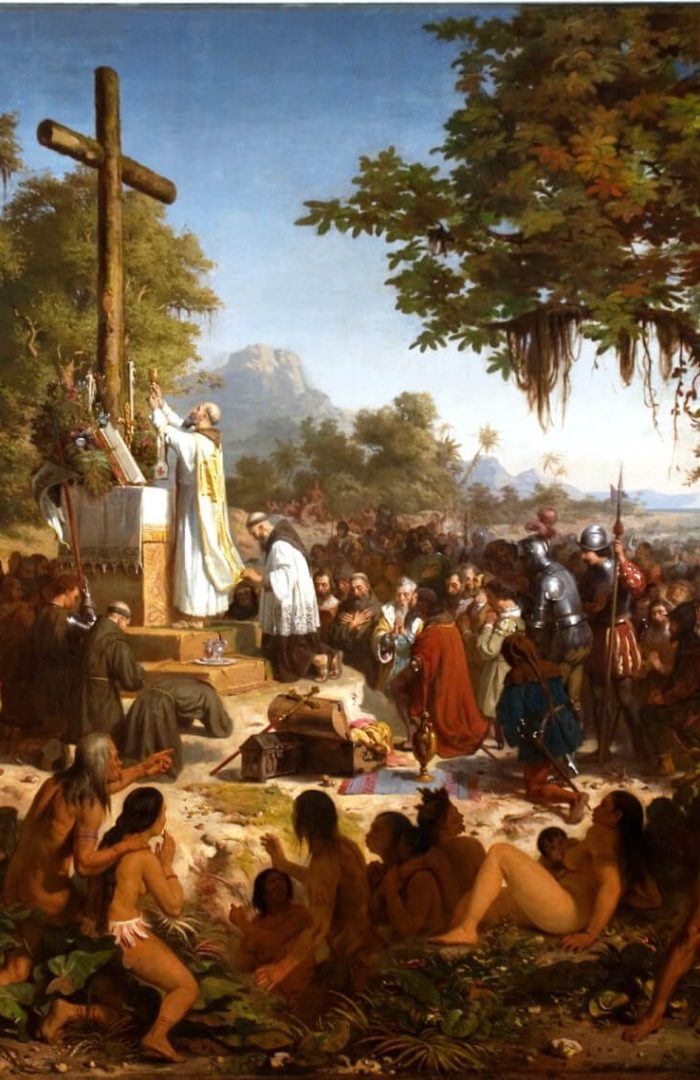
Even before European expeditions arrived on the island of Santa Catarina, Indians inhabited the land.
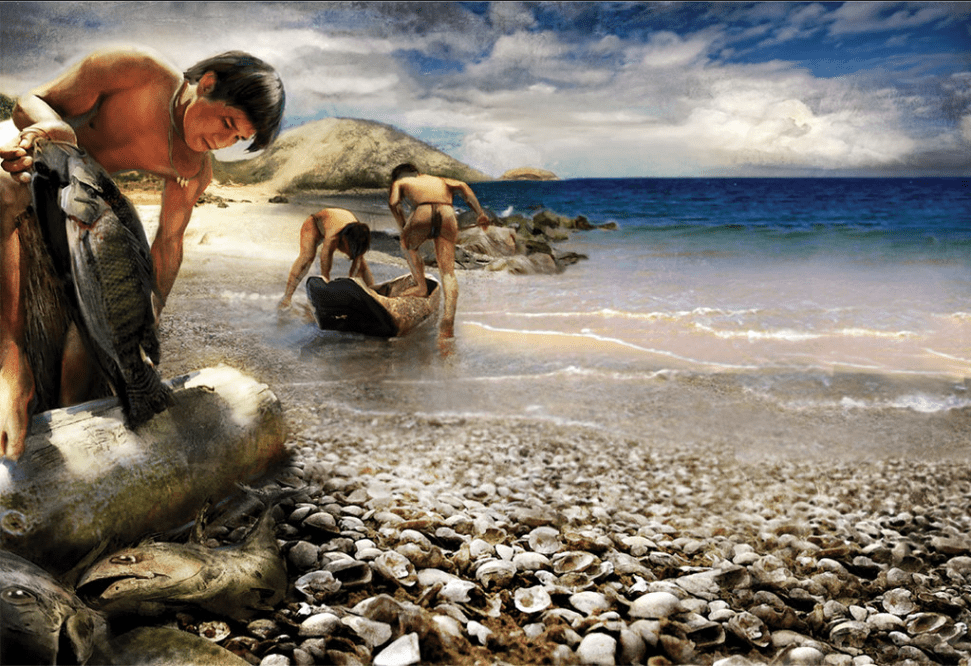
However, a Brazilian prehistoric man lived here before the Indian himself, known as the sambaqui man.
This primitive man from the American continent moved to the coast due to the transformations of nature, the rise in temperature levels and the oceans.
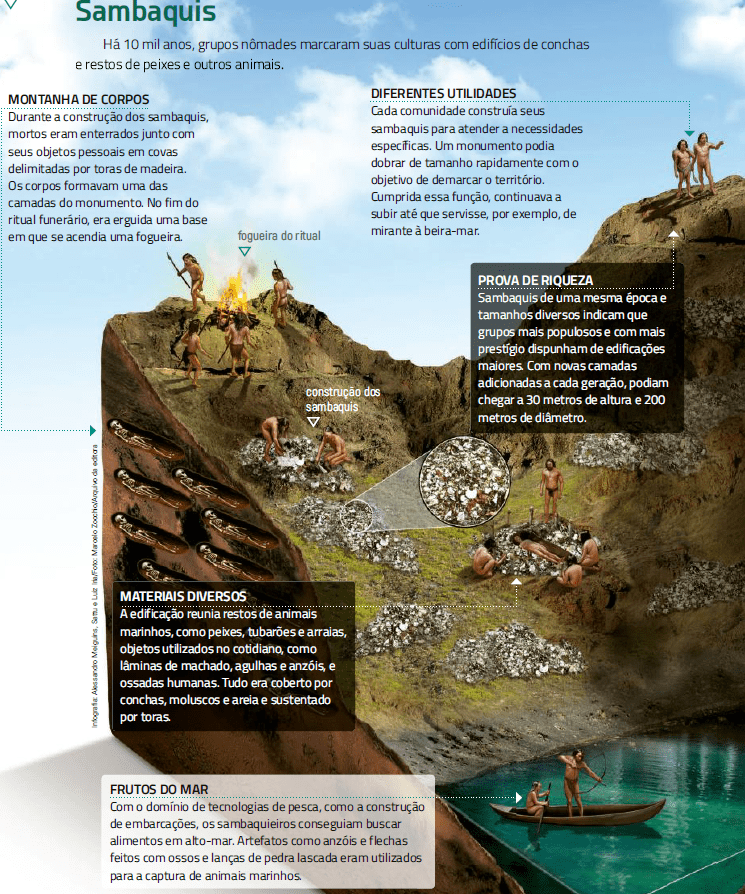
In fact, their presence in these places has been proven by clusters of shells and fish remains over thirty meters high.
The name of this type of limestone formation became known as sambaqui, a Tupi term meaning “shell mound”, which is why the name Homem do Sambaqui was coined.
The formation of these communities corresponds to the transformation of the eating habits of prehistoric man in the Americas, as it is believed that they were a veritable prehistoric garbage can.
Changing diet and habits
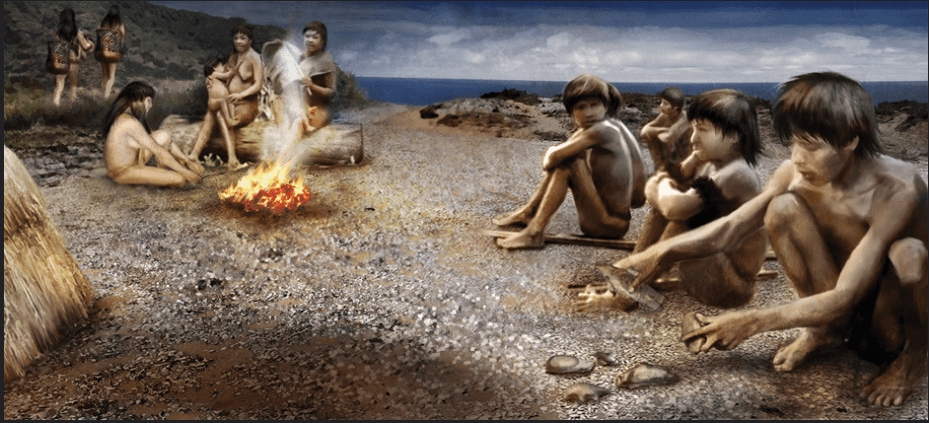
Over time, hunting and gathering lost ground to a diet marked by the systematic consumption of fish, crustaceans and other seafood.
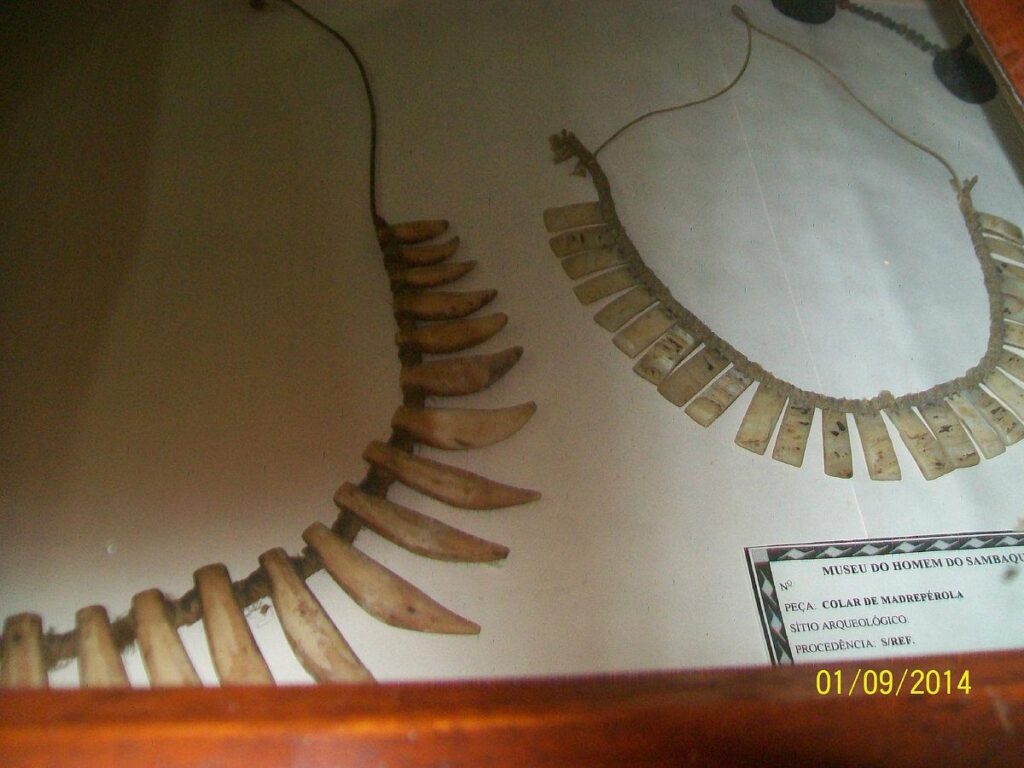
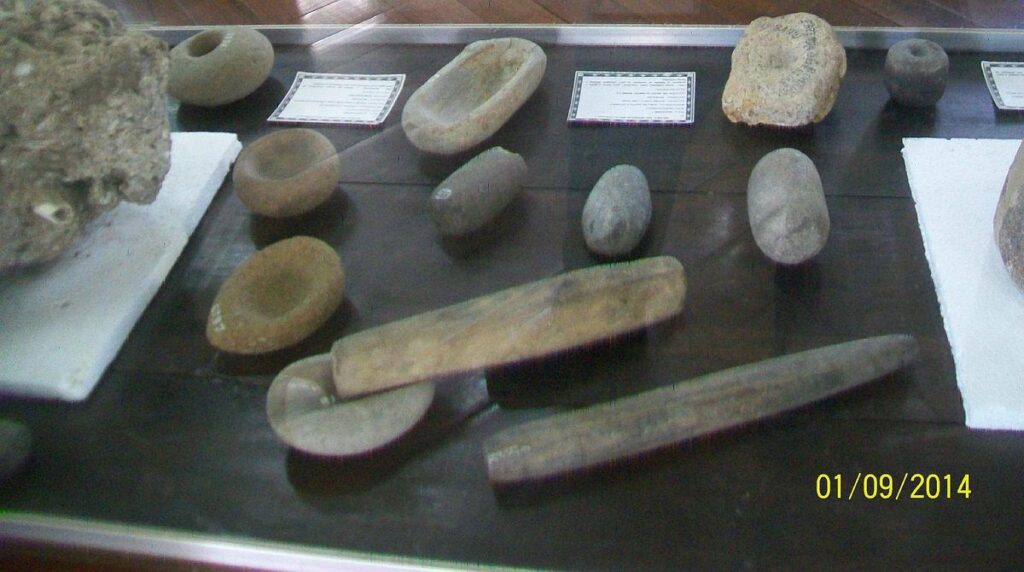
When we examine the internal structure and the land near the sambaquis, we realize that their communities developed handicrafts, sculpture and also worked with polished stone.
Sambaqui people did not domesticate any kind of animal and did not use bows and arrows or any other propulsive weapon.
They lived mainly by gathering and fishing. The truth is that, later on, the sambaqui man also gave rise to indigenous groups.
What is known about the Sambaqui man?
The paintings he left on rocks and caves have not yet been translated.
In these cave paintings they drew animals, men and signs that were certainly an attempt to communicate.
There are even crosses among these symbols. Of course, they have nothing to do with Christianity; the cross is a symbol that predates Christ.
What is known is that the man of the sambaqui, the Brazilian prehistoric man, belongs to the Neolithic period and has a Neolithic culture.
With the culture of that time: he had certain concepts about the main phenomena of nature and had a mythology similar to that of the Indian.
However, in a way, the Indian can be seen as a successor to the sambaqui man.
Sambaqui man and the indigenous people
Facts prove the thesis that the sambaqui man gave rise to indigenous groups.
One of them is that of the Botocudos, now extinct, who formed the only tribe that was harassed by all the other indigenous nations encountered by the Portuguese in the 16th century.
They were called “tapuias”, meaning “the enemies”, and formed the most backward indigenous grouping in the country.
Another fact that may confirm the thesis: the skulls of the botocudos have characteristics in common with those of the men from the sambaqui.
Thus, there is a very strong indication that they were the last of their descendants.
Was Brazilian prehistoric man peaceful?
The more backward‚ a human group is, the more peaceful it is.
In other words, they act like animals: they kill to defend themselves or to feed themselves.
Killing for sport, only the so-called civilized man, who introduced this behavior and even taught it to animals: dogs, for example.
The Botocudos, however, like the Xetás, disappeared around fifty years ago, and with that we lost the last contact with our prehistory.
When did the sambaqui man disappear?
The sambaqui man disappeared entirely shortly before the arrival of the Portuguese.
Undoubtedly, other Europeans were here before Cabral, travelers who got lost in the Atlantic or even those who came here deliberately to hunt and enslave Indians.
But even these did not have any contact with the man from the sambaqui.
Probably the last descendants of Brazilian prehistoric man were two tribes, the Xetás and the Botocudos, who formed the most backward tribes in Brazil and were entirely wiped out by the so-called civilized white man in this century.
In this way, the last contact we might have had with our prehistory is lost.
. .
Visit the Museum of the Sambaqui Man. Find out more here.
Bookings for school groups and visitors: only by e-mail, with Caroline (museu@colegiocatarinense.g12.br)
Contact telephone number: (48) 3251-1516
With information and excerpts inspired by a text by Marco Antonio de Carvalho - 1980

 Português do Brasil
  English