

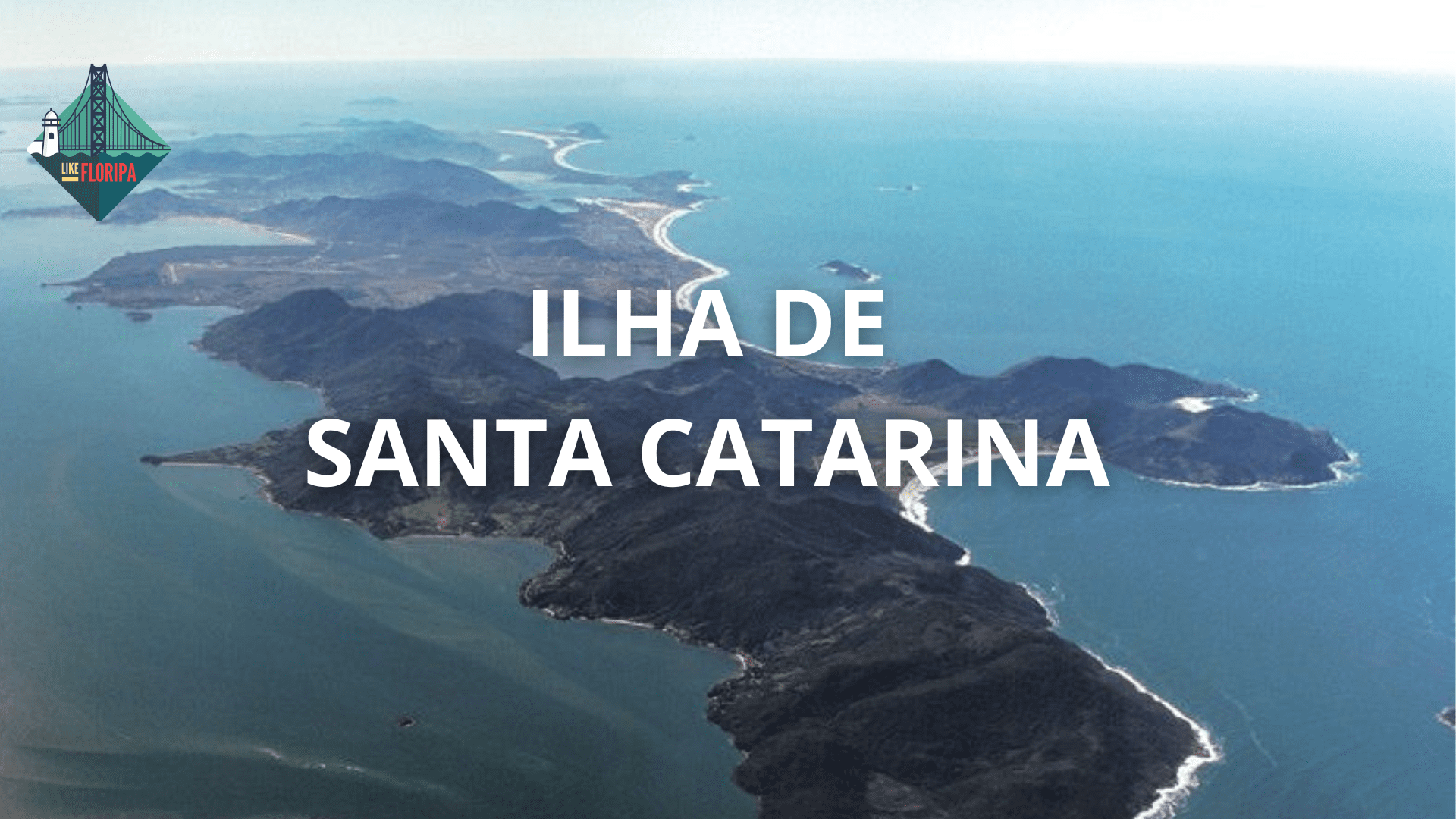
In 1526, the expedition of the Italian Sebastião Caboto passed along the coast of Santa Catarina.
It was on this occasion that Caboto spotted our island and named it Santa Catarina Island.
There are two reasons why he chose this name.
The first is that on that date there were celebrations for Saint Catherine of Alexandria, the current patron saint of the state of Santa Catarina.
The second explanation is that Caboto paid homage to his wife, who was called Catarina de Medrano.
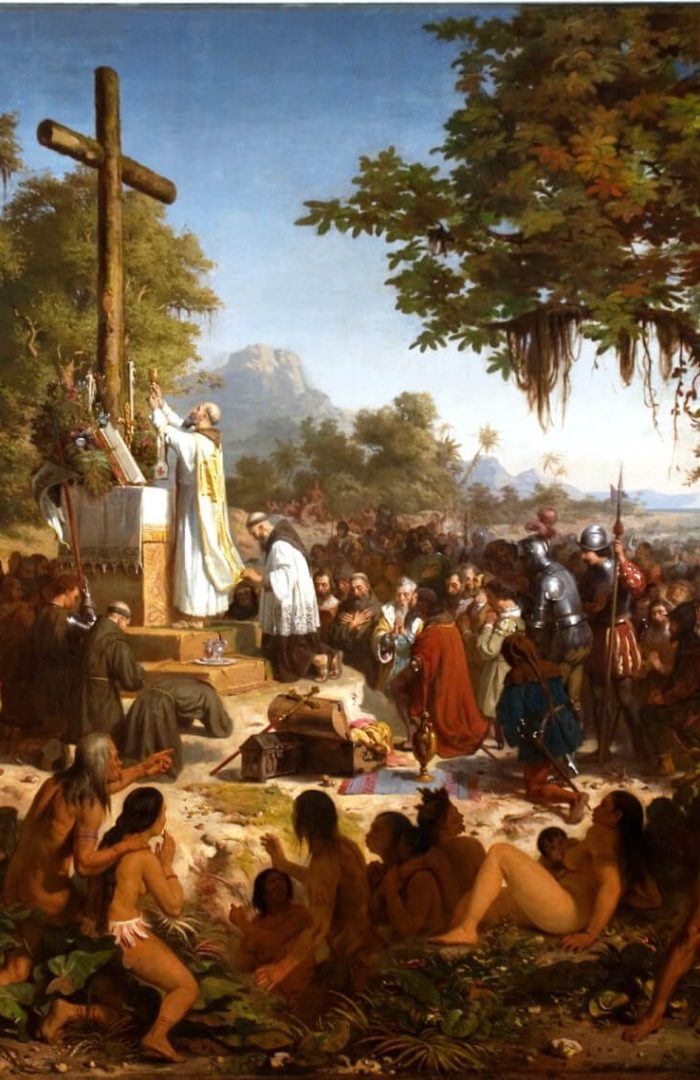
The first inhabitants of the island were the Carijós Indians, of the Tupi-Guarani tribe, who called it Meiembipe.
Rumor has it that before it was known as Santa Catarina Island, it was also known by navigators as Duck Island.
Strategic position for expeditions
The island was a strategic location for Spanish and Portuguese expeditions heading for the South Seas.
According to records, in cases of bad weather and shipwrecks, the local Indians helped the crew by serving as a supply point for water and food for ships heading for the River Plate.
When the Portuguese expedition of Solis returned to Europe, one of the ships was shipwrecked on the island's southern bar.
Some of the crew ended up finding shelter in a Guarani village, taken in by the local Guarani Indians.
First populated neighborhoods on the island
Due to the lack of precious metals and other riches, as well as the colder climate, it took time for it to become an interesting land for European eyes.
It was only in 1679, however, that the effective settlement of the island began, with the nucleus of Nossa Senhora do Desterro, from the Azores region in Portugal.
The first neighborhood to be populated on the island was the central region, followed by Santo Antônio de Lisboa, Lagoa da Conceição and Ribeirão da Ilha with the establishment of villages.
Couples and/or families populated the parishes of Rio Vermelho, Ingleses, Canasvieiras and Tapera.
The last point installed on the island before the mainland, at the time, was at the Church of Santíssima Trindade, now the Trindade neighborhood, arriving via the waters of the north bay.
Açoarians survived on fishing and farming
The Azoreans who arrived here brought rural knowledge to the region and had to adapt to the local indigenous knowledge.
They switched from growing flour, grapes and livestock to corn, manioc and adapted their flour mills to manioc with the support of oxen, water or human power.
The mills were brought by the Azoreans based on the wind-powered flour mills in the Azores region.
The "rosca de polvilho", very common among the locals, is one of the creations of this adaptation of the Portuguese mills, which produced three products: manioc flour, polvilho and the production of "roscas".
Like all coastal towns, the Azoreans developed their knowledge here and became true fishermen.
Churches were schools and hospitals
Churches were a landmark in every village, parish or town that was established on the island.
All of this is because religious devotion and religiosity was brought by the Portuguese and they perpetuated their rites here, such as the King's suit, the Holy Spirit festivities and the Copus Christi.
In addition, the church structure served as a school and hospital for the community, making it a central point for residents.
Whaling industry
The whaling industry was responsible for the settlement of the south of the island.
The town of Armação da Piedade was the first to be built on the Santa Catarina coast in 1746.
It is also one of the most important because of its structure, which includes a large house, slave quarters and whaling mills, with only the chapel and cemetery remaining today.
Legends of Witches and Boitatás
The legends of the Azores region about witches, werewolves and boitatás were also brought by the immigrants.
They lived in a medieval era in Europe and contributed to the mysticism of our city.

 Português do Brasil
  English