

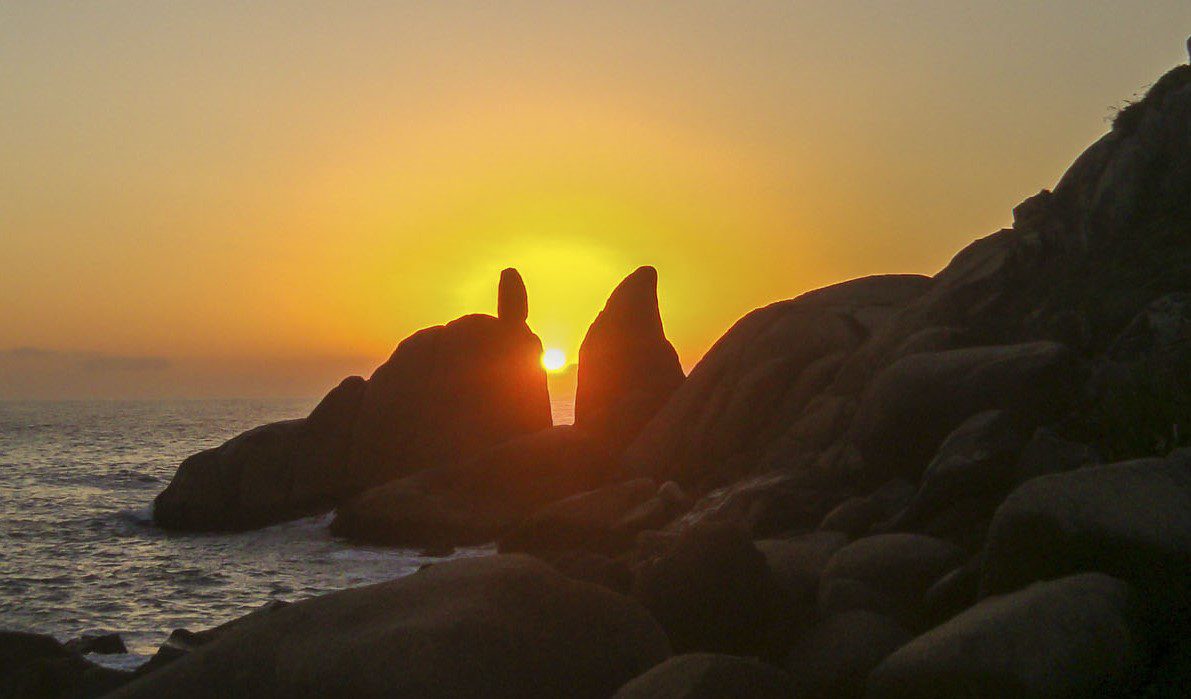
In the past, the people who inhabited the coast had their own way of measuring time and the seasons through astronomy.
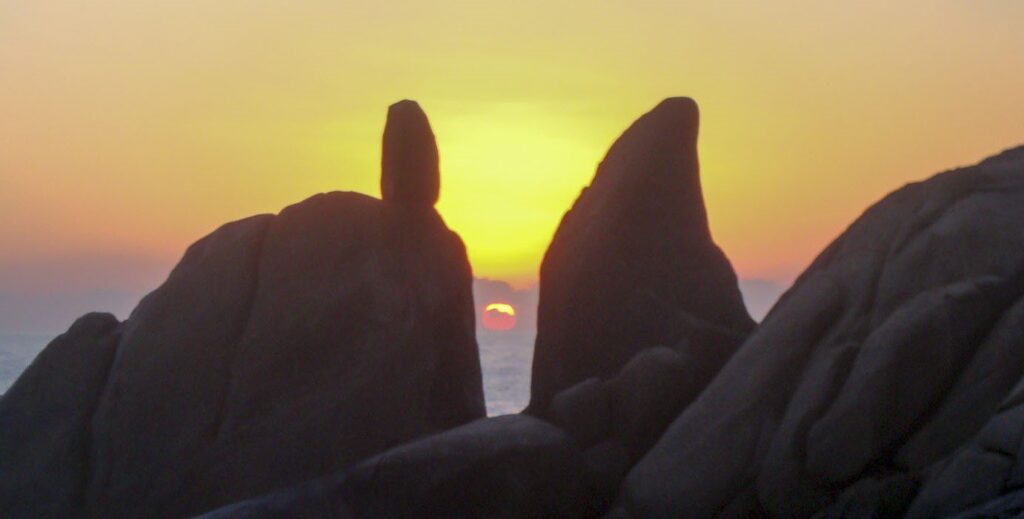
Combining astronomy, archaeology and anthropology, researcher Adnir Ramos found clusters of differently positioned rocks in the Lagoa da Conceição region.
These shapes allowed precise observation of the sun's position at the solstices and equinoxes.
This historical work is very similar to Megalithic monuments, These are monumental constructions based on large blocks of stone in the city of Florianópolis, in Santa Catarina.
According to the records of geologist Vieira da Rosa, there were already stones superimposed on top of each other that resembled this pattern from Itajaí to the Santa Marta lighthouse as far back as 1918.
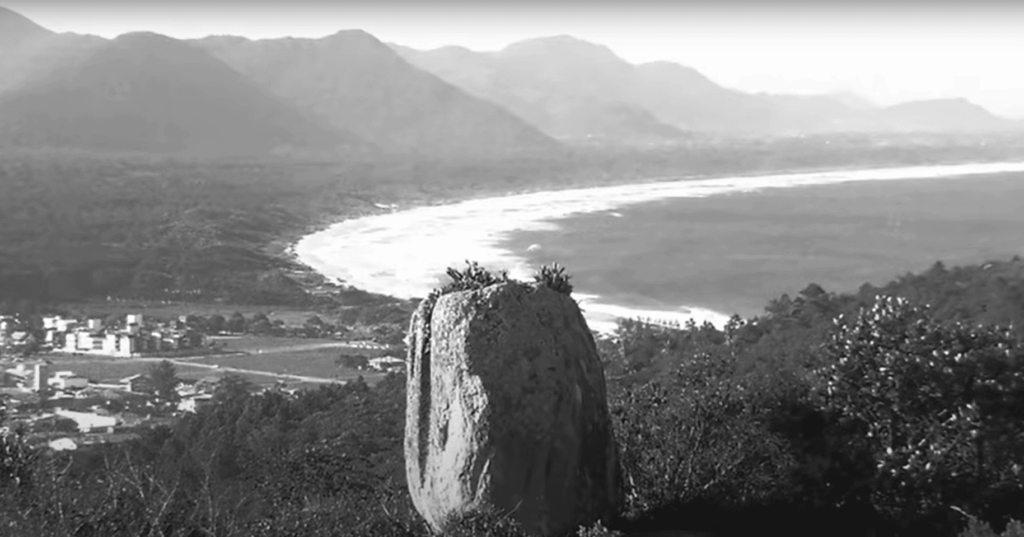
However, with this realization came questions: Who put them there?
This is one of the mysteries of the island of Santa Catarina that no one has yet discovered, which is all the more reason to fight for the preservation of these archaeoastronomical sites and their legacy.
Who used these points on the island as a calendar and who certainly mastered astronomy very well.
Astronomy and Cardinal Points on the Island
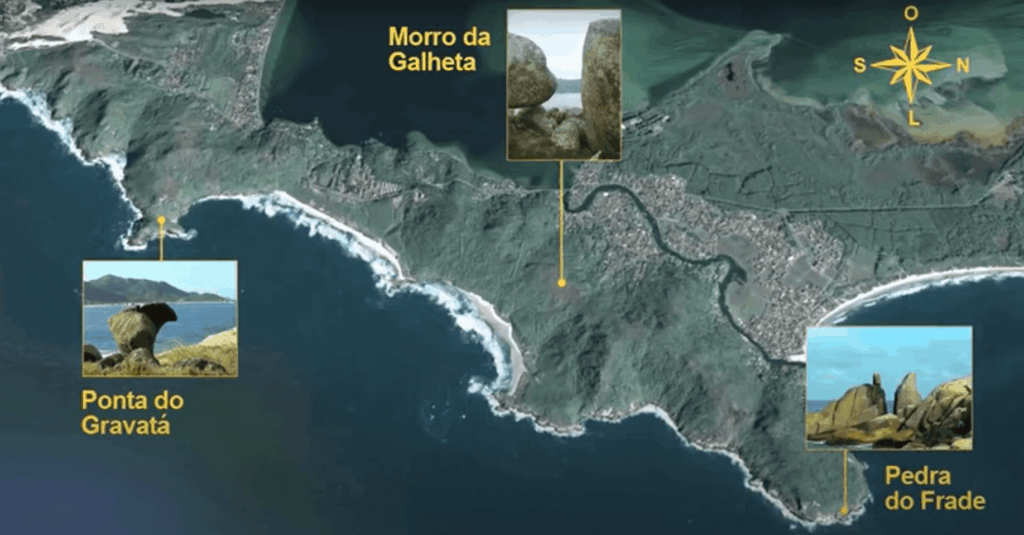
At first, these stone blocks rustically determine the cardinal points of the island.
With a series of astronomical alignments, located at geographical points accessible only by trails, such as Morro da Galheta, which is already part of a municipal park, and Ponta do Gravatá, on the southern edge of Praia Mole.
Nearby there are also rock inscriptions, denoting the presence of ancient settlements that probably developed these archaeological sites.
Solstices and Equinoxes in Florianópolis
The solstices and equinoxes, celestial events that mark the changing of the seasons, move some people and tourists to contemplate these natural phenomena.
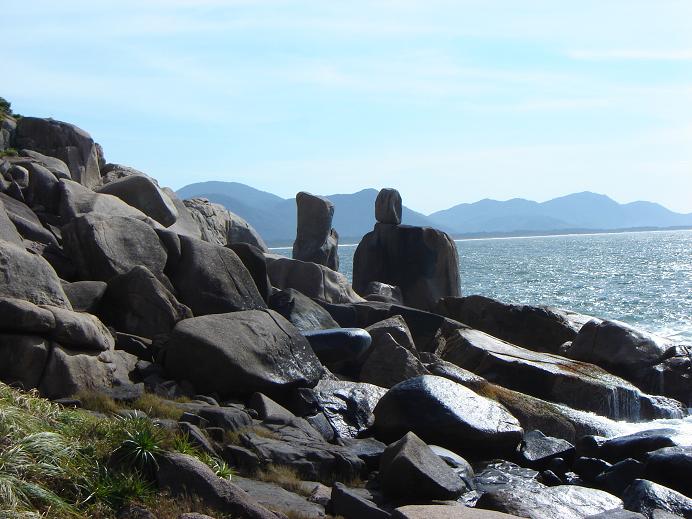
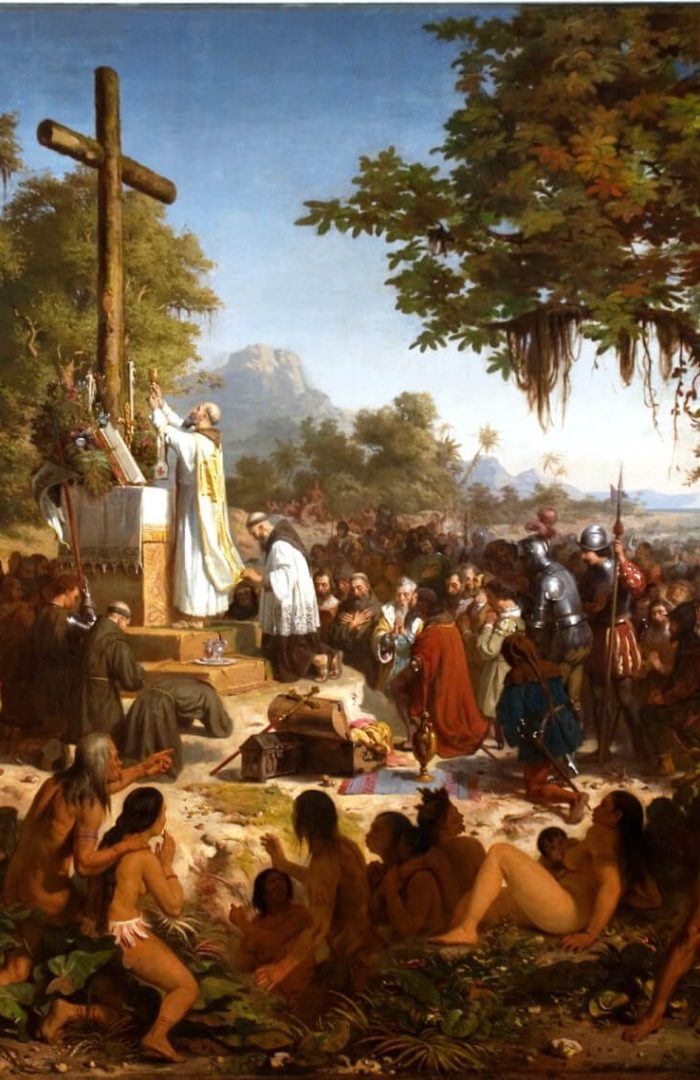
These monuments are evidence that the ancient inhabitants of the coast, gatherers who lived from agriculture, hunting and fishing thousands of years before the arrival of the Europeans, had knowledge of astronomy.
In addition, they used this knowledge to mark the seasons and were able to rely on time measuring instruments that still allow us to understand the mechanics of solar movement today.
Archaeoastronomy Center
The Archaeoastronomy Centre was set up in 2004 to centralize the knowledge of archaeology and astronomy from the studies carried out by fisherman, researcher and professor Adnir Antonio Ramos.
Another objective was to publicize this archaeological heritage through conscientious tourism and to help preserve what remains of a great destruction caused by a lack of human awareness.
Believe it or not, these monuments are still not recognized as Brazil's historical and cultural heritage. A pity.
Conservation risks of this story
The truth is that this important historical and cultural heritage is in danger of being lost or disappearing.
After all, more than 90% of our sambaquis were destroyed to extract lime from the shells or to pave roads.
Our rock art is abandoned to its fate, guaranteed only by the difficulty of access.
What's more, schools teach about the European caveman and forget about the Sambaqui man, studying the world and not knowing what's in his own backyard.
In fact, Like Floripa supports the idea that our megalithic monuments, which have been studied for almost thirty years, should be recognized as historical, cultural and ancestral heritage.
Archaeoastronomy documentary in Floripa by Rafael Pessi
For these and other reasons, the Center for Archaeoastronomy and the IMMA, with the support of our sponsors, are setting up this website with the aim of bringing together this knowledge through photos, videos, articles and maps to achieve these goals.
Find out more about IMMA's work on their website: https://arqueoastronomia.com.br/

 Português do Brasil
  English