

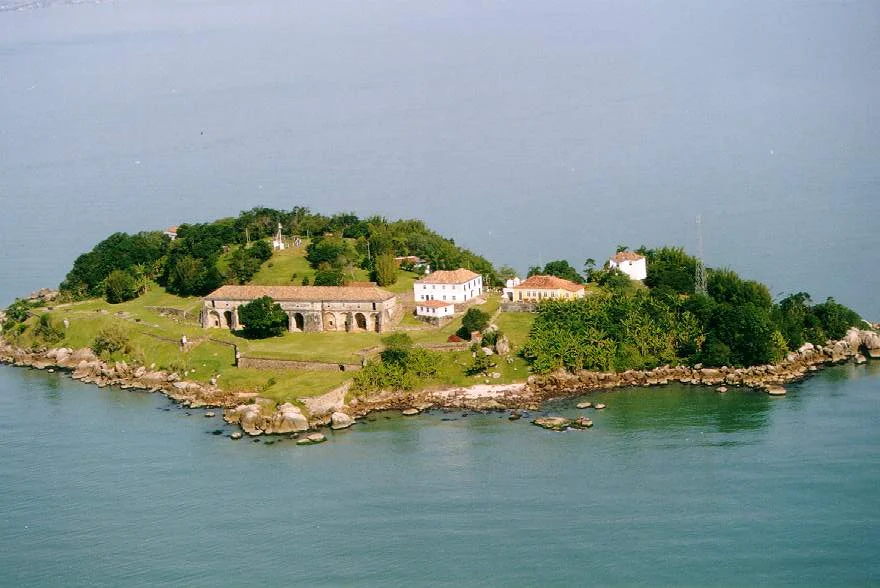
A Fortress of Santa Cruz de Anhatomirim, located at the entrance to the North Bay of Santa Catarina Island, is one of the most expressive examples of Portuguese colonial military architecture in Brazil and was once known as Santa Catarina's Alcatraz.
Built in the 18th century, between 1739 and 1744, during the process of consolidating Portuguese rule in the region, it has undergone multiple functions over the centuries, from strategic surveillance of the waters to its use as a prison and execution base.
The name of the island where the fortification stands is Anhatomirim, which in Tupi means “devil's little island”, This already indicated the presence of an enigmatic and isolated place on the Santa Catarina coast.
This reinforces ancient indigenous designations of the local landscape, reinforcing how European and indigenous narratives intertwine in the cultural geography of the region.
The fortress and the Portuguese defensive system
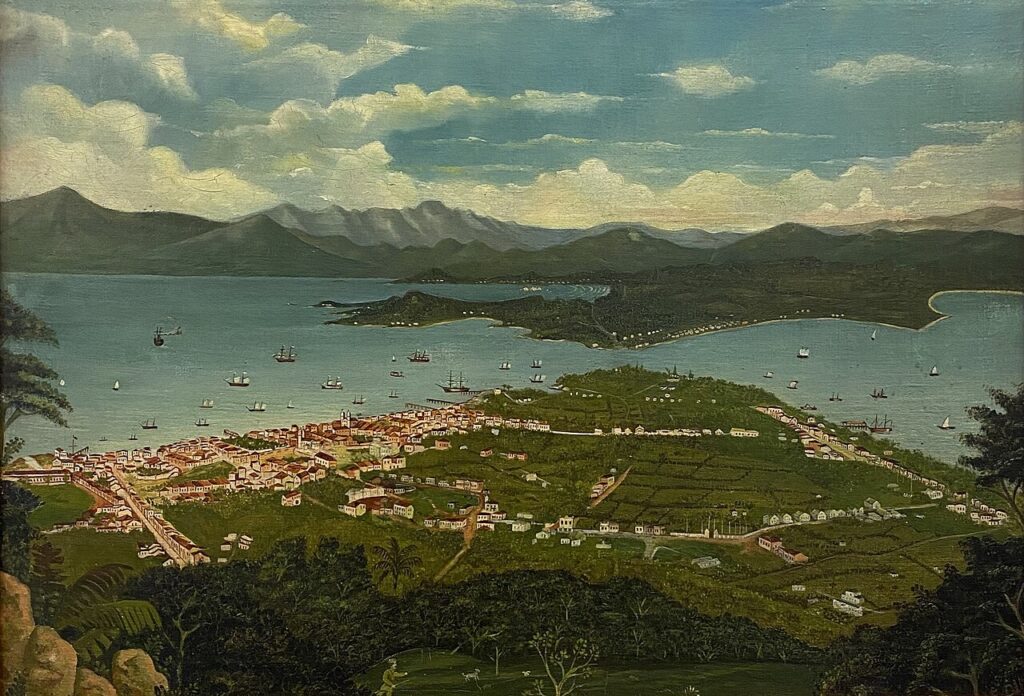
Brigadier project José da Silva Paes, The Fortress was built to be the main apex of the North Bay defensive system, together with the fortresses of São José da Ponta Grossa and St. Anthony of Ratones.
This triad of fortifications was intended to contain foreign invasions and ensure control of the maritime accesses to the captaincy of Santa Catarina, which still belonged to the Portuguese Empire.
Analogy with Alcatraz prison
At the beginning of the 20th century, Anhatomirim underwent modernization, gaining new buildings such as the Radiotelegraph station and Power Plant, as military technology evolved.
But it was an episode at the end of the 19th century that profoundly marked the history of the fortress: its use as a political prison during the Federalist Revolution (1893-1894).
During this conflict between republican forces linked to the central government and federalist groups in southern Brazil, Anhatomirim was used as a place to detain and execute combatants.
After the surrender of the federalist troops in Desterro (now Florianópolis), around 200 prisoners were taken to the fortress and subjected to summary military trials, many resulting in executions by firing squad and hanging, episode known historically as the Anhatomirim Island Massacre.
This punitive and isolated use on an island that is difficult to access has led some visitors and historians to compare the fortress to a emblematic prison islands in other parts of the world, such as Alcatraz in the United States, although there is no historical evidence that this nickname was widely used at the time.
The parallel is yet another contemporary metaphor for the context of rigid isolation, punitive rigor and the near impossibility of escape at that time.
Below is a portrait of the hero of the Paraguayan War, the Baron of Batovi, who was executed there in April 1894 along with other personalities of the time.
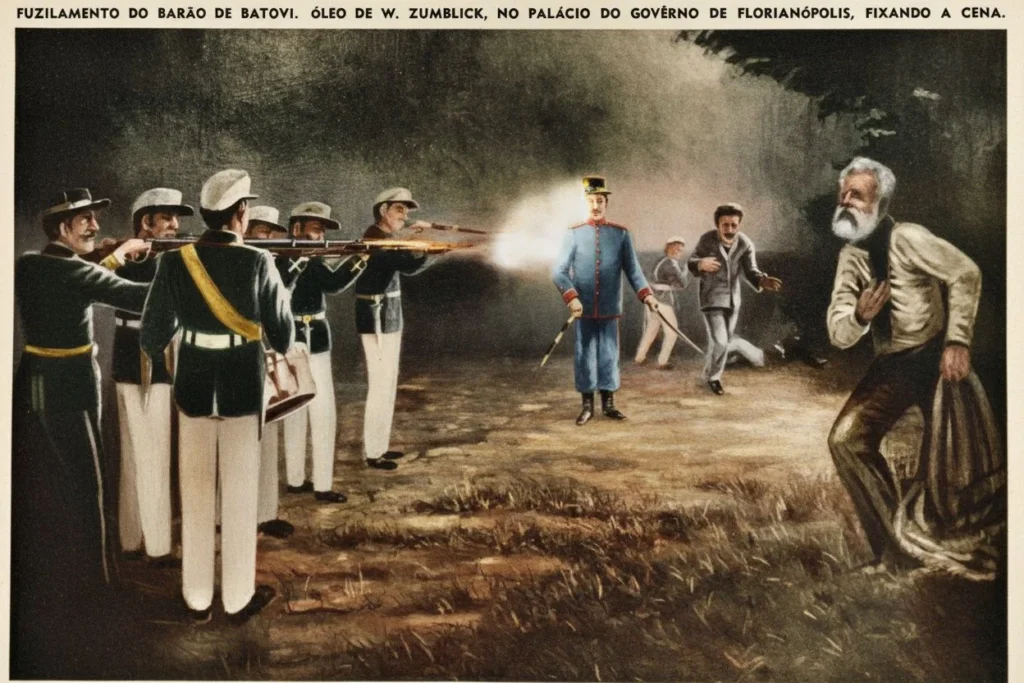
More than a chapter of war, it has become a symbol of how institutional violence can override justice and why remembering this past is also an act of historical awareness.
A heritage that endures
Over the years, the fortress lost its military function. After the Second World War, with technological advances in warfare, traditional fortifications became obsolete and many were partially abandoned.
In 1938, the group of fortresses on the island of Santa Catarina was listed as National Historic and Artistic Heritage by the National Historical and Artistic Heritage Institute (IPHAN), recognizing its historical and cultural importance.
In the 1970s, the Federal University of Santa Catarina (UFSC) took over the guardianship of Anhatomirim in partnership with IPHAN, beginning a long process of restoration and preservation.
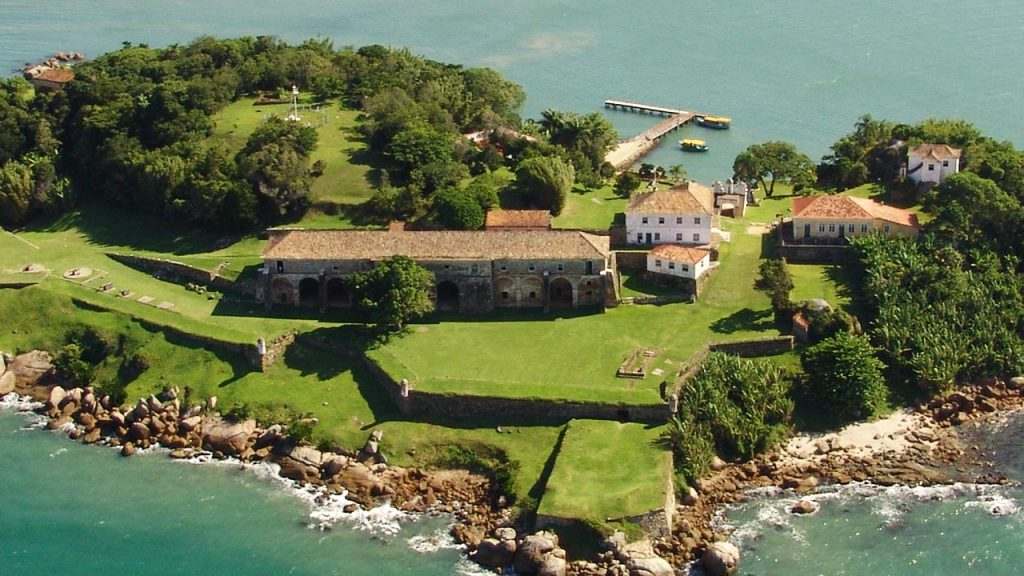
In 1984, the fortress was opened to the public after revitalization projects aimed at restoring the original features of the buildings and allowing residents and visitors to get to know this chapter of Santa Catarina's history up close.
Today Anhatomirim is a living symbol of the region's military, social and political history, This is a place where the stones tell not only of the colonial defense strategy, but also of the human traces of the internal struggles that shaped Brazil at the end of the 19th century and the beginning of the 20th.
Why this story matters
The trajectory of the Santa Cruz de Anhatomirim Fortress from its strategic planning in the colonial period to its use as a political prison and, finally, its preservation as a historic site helps us to understand how Brazilian territory has been defended, contested and reinterpreted over time.
It highlights the importance of preserving not only the buildings, but the human narratives linked to them: war decisions, political conflicts and the fates of the people who lived or died there.

 Português do Brasil
  English